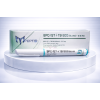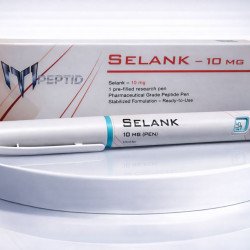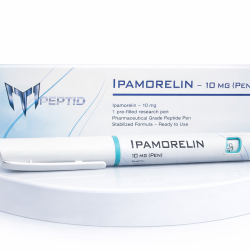
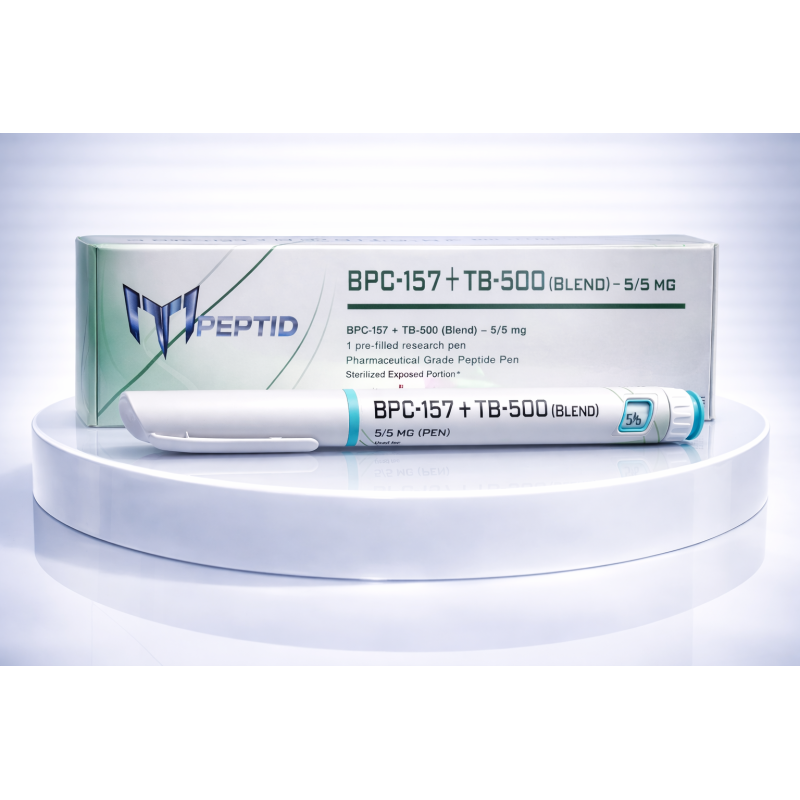
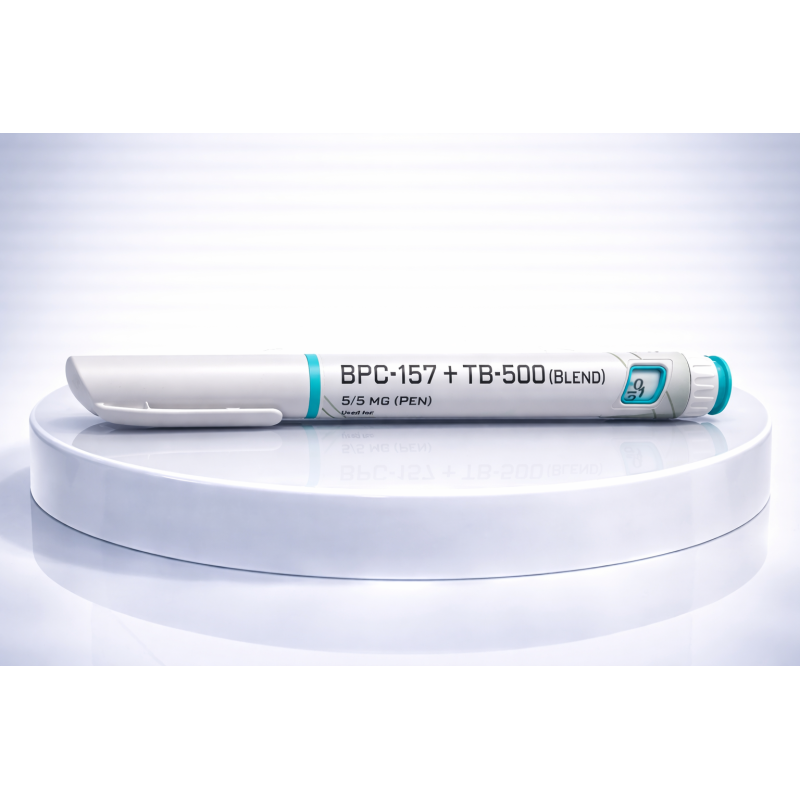


The synergistic combination of BPC-157 and TB-500 supports angiogenesis, collagenogenesis and soft tissue regeneration. Ideal for overload, microtears and high training volumes. It helps a faster return to heavy loading and better technique due to reduced discomfort. Suitable for athletes in strength and endurance sports, as well as for fitness enthusiasts who want consistency without long breaks.
An exceptionally powerful agent for recovery, rejuvenation and a marked increase in tone in men and women.
- 0%
- 0%
- 0%
- 0%
- 0%
Reviews Over BPC-157 + TB-500
Total Reviews (0)
click here write review to add review for this product.
Report this review.
This combination helps the body restore damaged areas, accelerating repair and the formation of new blood-supplying structures, without using technical terms.
Context and biological profile
In the context of tissue regeneration and inflammatory reactions, control of angiogenesis and cytoskeletal remodeling is a central goal in translational research. BPC-157 + TB-500 represents a combination of peptides: BPC‑157 is a gastric pentadecapeptide from the class of protective peptides, and TB‑500 is a synthetic analogue of a fragment of thymosin β‑4, associated with regulation of the actin cytoskeleton and mobility of tissue elements. They are being investigated as tools to modulate restorative pathways and cell migration in preclinical models.
Mechanism of action
The combination affects the microenvironment through interaction with growth factors and signaling pathways, including modulation of oxidative status and promotion of VEGF‑related responses and remodeling of the actin network; this leads to increased cell migration, changes in matrix organization, and locally increased vascularization. Central and peripheral effects interacting at the level of cytokine balance and matrix metalloproteinase activity support structural recovery in controlled models.
Research data
| Study | Model | n | Duration | Key observed outcomes |
|---|---|---|---|---|
| BPC‑157 tendon study | early postoperative rat model | 30 | 2–4 weeks | increased tendon strength and structural organization in comparative analysis |
| TB‑500 wound model | mouse skin wound model | 24 | 7–14 days | accelerated epithelialization and increased microvascularization |
| Combined preclinical analysis | tissue reconstructions in rodents | 40 | 2–6 weeks | synergistic effects on cell migration and markers of angiogenesis |
The data are predominantly preclinical; quantitative effects vary between models and protocols.
Use in scientific research
The combination is studied in fields such as tissue regeneration, orthopedics, recovery physiology, and wound pharmacology. All observations derive from controlled laboratory experiments and preclinical publications; no recommendations are made for uncontrolled use. For further literature: BPC-157 + TB-500, PubMed: BPC‑157 literature, PubMed: thymosin beta‑4 literature.
The content is provided for educational and research purposes only.