



Regenerative peptides are a class of biologically active molecules that are studied in the context of tissue regeneration, wound healing, and recovery.
The scientific and medical approach includes in vitro and in vivo studies, molecular mapping of signaling pathways, controlled clinical trials, and assessment of safety and pharmacokinetics. The focus is on modulation of cellular proliferation, migration, extracellular matrix synthesis, and immunomodulation in order to improve functional outcomes in wounds, orthopedic, and neurological injuries.
The most notable positive effects in humans (according to studies and clinical reports):
- accelerated wound healing and reduced scarring;
- increased collagen synthesis and improved skin elasticity;
- reduced inflammation and pain relief;
- better regeneration of muscle and connective tissue;
- support of neuroregeneration and protection of nerve cells;
- beneficial immunomodulation that facilitates recovery.
Effects vary depending on the specific peptide and the clinical context.
New
🔥 Bestseller
Online Only
Stock: In Stock
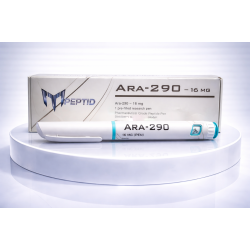
ARA-290 reduces damaging inflammation and helps protect cells and tissues after injury by activating the body's own survival signals.Biological co..
€ 49.00 (95.84лв)
Ex Tax:€ 49.00 (95.84лв)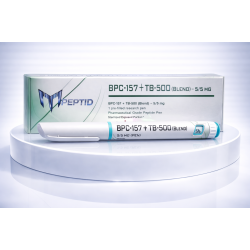
New
🔥 Bestseller
Free
Stock: In Stock
This combination helps the body restore damaged areas, accelerating repair and the formation of new blood-supplying structures, without using technica..
€ 79.00 (154.51лв)
Ex Tax:€ 79.00 (154.51лв)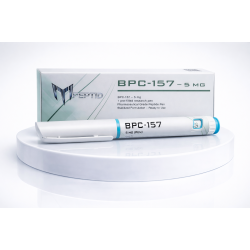
New
🔥 Bestseller
Stock: In Stock
What is BPC-157?This peptide is being investigated as an agent that may support the body's natural processes of tissue and blood vessel repair by ..
€ 45.00 (88.01лв)
Ex Tax:€ 45.00 (88.01лв)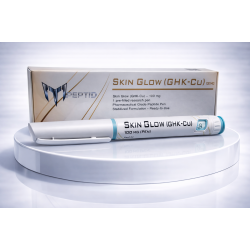
New
🔥 Bestseller
Stock: In Stock
What is Skin Glow (GHK-Cu)?
This peptide supports the natural processes of tissue renewal and repair, directing cells to produce more structural prot..
€ 45.00 (88.01лв)
Ex Tax:€ 45.00 (88.01лв)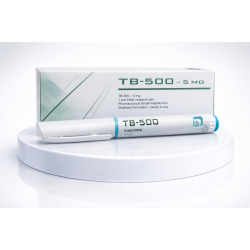
New
Stock: In Stock
This peptide helps cells move into injured areas, supports the formation of new small vessels, and influences the organization of structural proteins ..
€ 45.00 (88.01лв)
Ex Tax:€ 45.00 (88.01лв)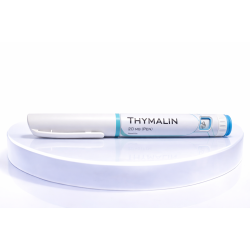
New
Stock: In Stock
Thymalin supports a more balanced response to external and internal stressors, without acting as a direct stimulant or as a substitute for missing sub..
€ 30.00 (58.68лв)
Ex Tax:€ 30.00 (58.68лв)Showing 1 to 6 of 6 (1 Pages)