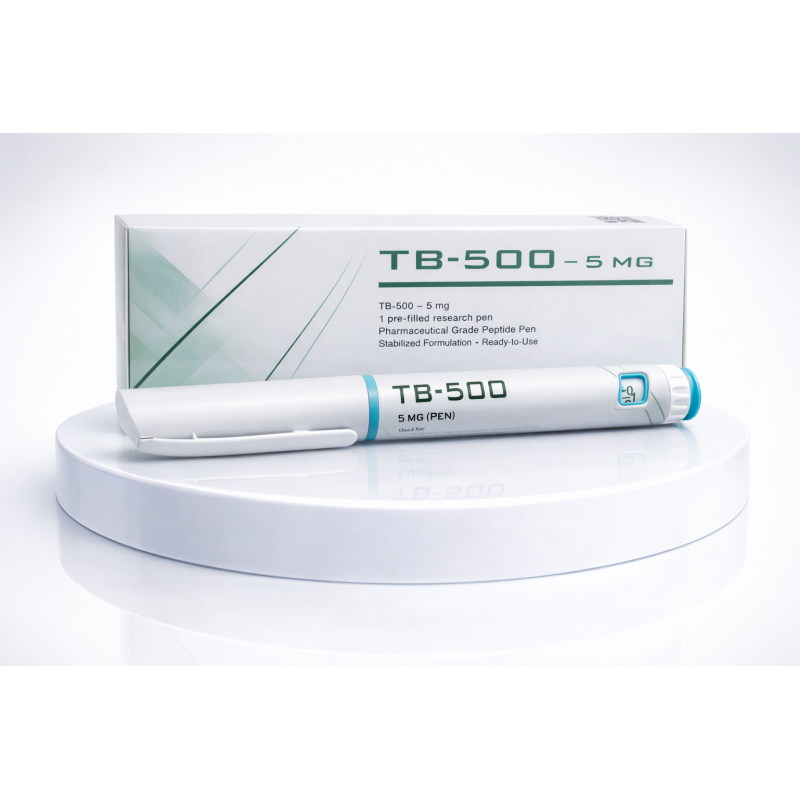
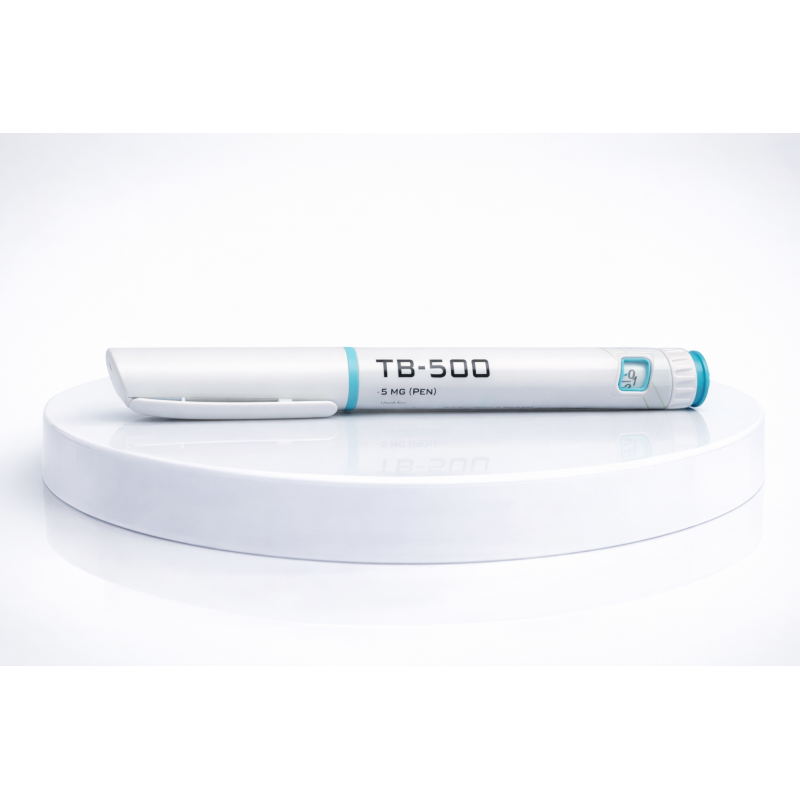
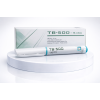
TB-500 (Thymosin beta-4) is a synthetic peptide associated with a natural protein in the body that participates in the processes of tissue repair and regeneration. Its main benefits include faster recovery after injuries, reduction of inflammation, and improvement of the mobility and elasticity of muscles and tendons. It is often used by athletes to accelerate rehabilitation, support muscle growth, and generally improve physical conditioning.
- 0%
- 0%
- 0%
- 0%
- 0%
Reviews Over TB-500 (Thymosin beta-4)
Total Reviews (0)
click here write review to add review for this product.
Report this review.
This peptide helps cells move into injured areas, supports the formation of new small vessels, and influences the organization of structural proteins to aid tissue repair.
Physiological and research context
Endogenous regulatory peptides that modulate actin dynamics are central to tissue repair, cell migration and matrix remodeling after injury. TB-500 (Thymosin Beta-4) is a small, naturally occurring actin‑binding peptide of the thymosin family that has been used in laboratory and translational research to study mechanisms of wound closure, epithelial regeneration and angiogenic signaling pathways. Its significance spans cell biology, models in regenerative medicine and preclinical pharmacology.
Mechanism of action
TB-500 interacts with intracellular pools of actin and influences signaling pathways associated with cell motility and cytoskeletal reorganization. At the molecular level it binds G‑actin, reducing the drive for actin polymerization and facilitating directed cell migration. This modulation of the cytoskeleton translates into central effects on gene expression programs related to matrix metalloproteinases and extracellular matrix renewal, as well as peripheral effects such as increased endothelial cell migration and basic angiogenesis in repair conditions. Integrated outcomes observed in controlled studies include accelerated re-epithelialization, reduced fibrotic deposition in some models and transient modulation of inflammatory mediator profiles. These effects are context-dependent and have been observed under specific experimental conditions.
Preclinical and clinical data
| Study | Model / Population | n (subjects or samples) | Duration | Key results (quantitative) |
|---|---|---|---|---|
| Philp et al., topical Tβ4 wound study | Murine full-thickness skin wounds | n=8/group | 7 days | ~30% faster wound closure compared with control at day 7; increased reduction of epithelial defect (reported numerically in the source) |
| RGN‑259 ophthalmic trials (Tβ4) | Patients with corneal epithelial defects (preclinical→early clinical) | Phase 2 cohorts vary (tens) | Weeks (treatment courses) | Improved levels of corneal healing compared to baseline; data are preliminary and sizes of controlled studies are limited |
| Cardiac repair preclinical studies | Rodent models of myocardial infarction | typically n=6–12/group | Days to weeks | Reduced infarct size and improved fractional area change, reported in some studies (variable magnitude) |
Data remain largely preclinical or early clinical; numerical results vary depending on the model, dose and route of administration and should be interpreted within the methods of the respective sources.
Use in research and experimental considerations
TB‑500 is used in research of cell migration, epithelial regeneration, angiogenesis and matrix modulation. Experimental design should account for peptide stability, route of administration and appropriate controls. Reported pharmacokinetic observations show a limited systemic half-life with biological effects that persist through modulation of downstream signaling pathways rather than through prolonged plasma exposure; researchers should plan dosing and sampling accordingly.
Chemical formula: C212H347N55O78S
Sources: TB-500 (Thymosin Beta-4), PubMed search results for thymosin beta‑4, Review of thymosin beta‑4 and tissue repair (PMC)
Note: the content is intended for educational and research purposes only. You may purchase TB-500 (Thymosin beta-4) for research and scientific purposes.