Secure and safe worldwide delivery! If the product is on stock - average delivery time is 2-3 days in Eastern Europe, 3-7 days in Western Europe and 1-3 weeks world wide!
High-quality product! All peptides branded MyPeptid are produced in 100% laboratory conditions and have purity above 98%. Our products are tested at JINOSHIK, Analiza Białek and other independent, established laboratories with high standards!
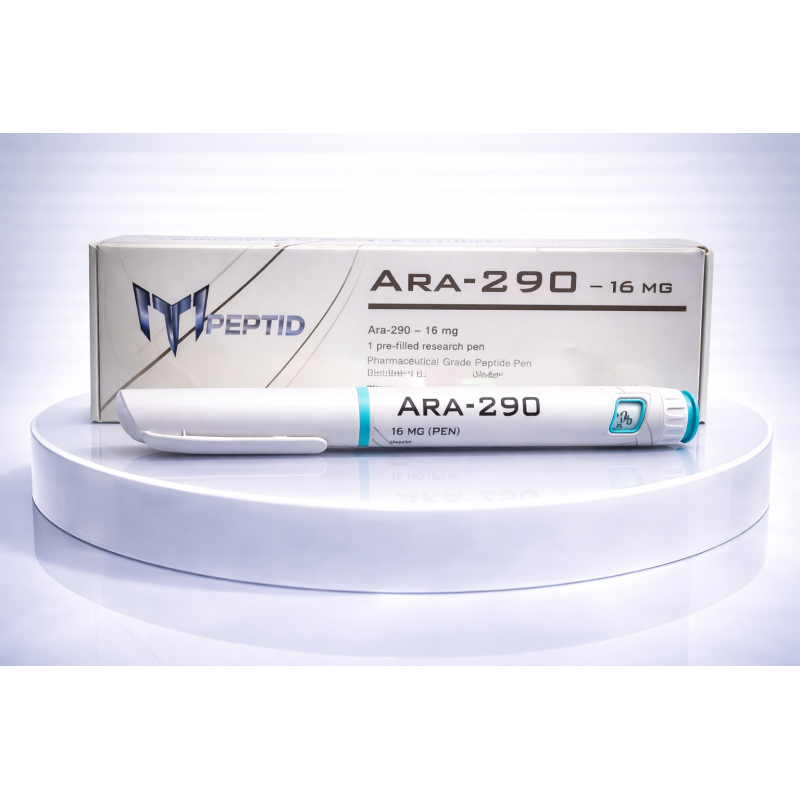
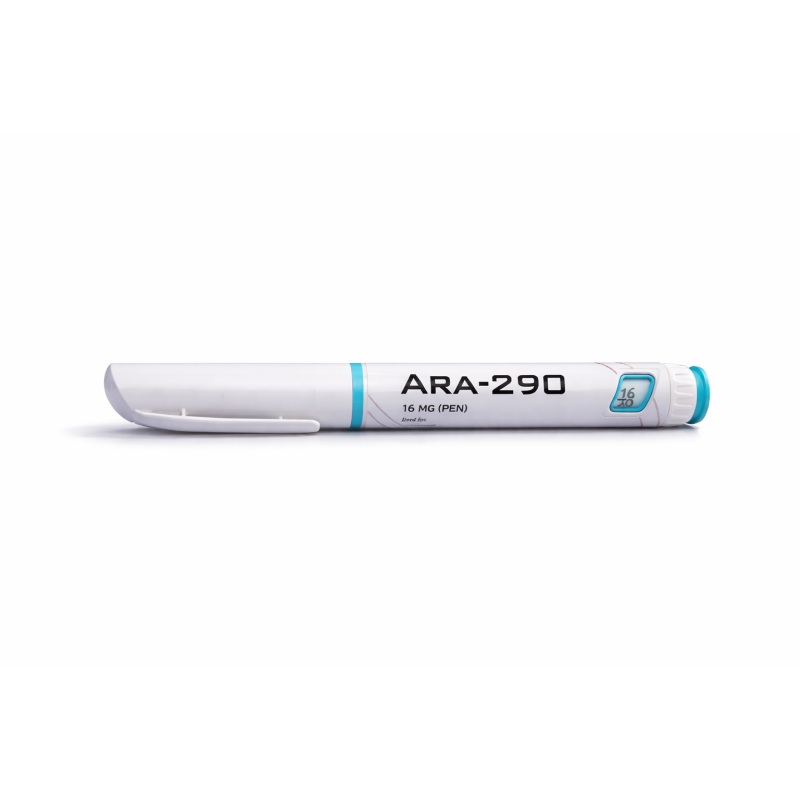
ARA-290 reduces damaging inflammation and helps protect cells and tissues after injury by activating the body's own survival signals.
Biological context and relevance
ARA-290 is a short peptide derived from the helix B region of erythropoietin and is studied as a selective activator of a non‑erythropoietic, tissue‑protective signaling complex. In experimental systems it is used to probe pathways of inflammation resolution, cell survival, and repair across peripheral tissues and the central nervous system. The molecule is of interest in translational research on neuropathic pain, inflammatory small‑fiber neuropathies and ischemic injury.
Mechanism of action
ARA-290 engages a heteromeric receptor complex described as the innate repair receptor to trigger downstream cytoprotective cascades. Binding leads to modulation of intracellular kinases and transcriptional regulators that reduce pro‑inflammatory cytokine release, limit apoptotic signaling and promote metabolic resilience in stressed cells. These actions have been documented in peripheral immune cells and resident glia, indicating both peripheral and central components to its tissue-protective activity. The peptide does not stimulate hematopoiesis at concentrations used for tissue protection, reflecting its selective receptor engagement. non-erythropoietic
Selected clinical and preclinical data
Study
Population / model
N
Duration
Key observed outcomes
Phase 2 sarcoidosis-associated small fiber neuropathy
Adults with sarcoidosis-associated neuropathic symptoms
22
28 days
Reported reductions in neuropathic symptom scores and improvements in small-fiber function; data are preliminary and from controlled trial settings
Rodent ischemia–reperfusion models (preclinical)
Rat/mouse cardiac and renal ischemia models
8–12 per group
Acute (hours–days)
Reduced markers of tissue injury and inflammatory cytokines versus control groups
Research use and experimental considerations
ARA-290 is employed in studies of neuropathy, ischemia–reperfusion injury, and immune modulation; available data derive from controlled laboratory, preclinical and early clinical environments. Reported pharmacokinetic descriptions indicate a short biological half‑life consistent with rapid receptor engagement and transient signaling, which should inform dosing schedules and sampling in experimental designs. neuropathic pain
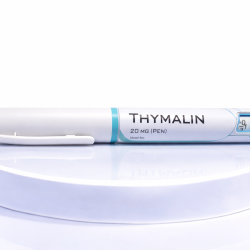
Thymalin supports a more balanced response to external and internal stressors, without acting as a direct stimulant or as a substitute for missing sub..
This peptide is used in research because it can help the way the brain processes information and adapts to stress and workload, by influencing the che..
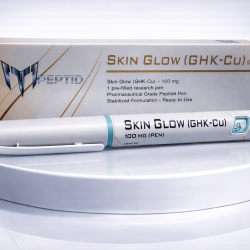
What is Skin Glow (GHK-Cu)?
This peptide supports the natural processes of tissue renewal and repair, directing cells to produce more structural prot..
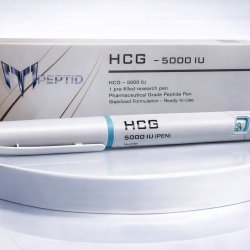
This peptide "signals" the body to produce more hormones and to support the maturation of reproductive cells via a signal similar to natural hormonal ..
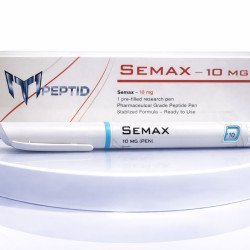
This substance alters when and how deeply a person sleeps and how the body responds to stress by affecting the internal communication between the brai..