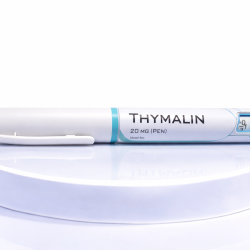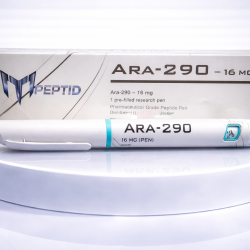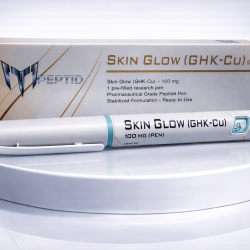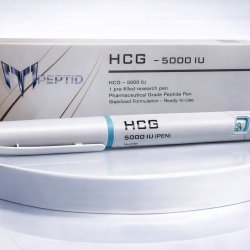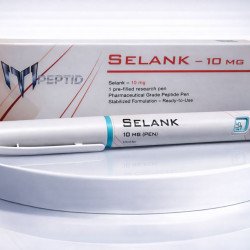
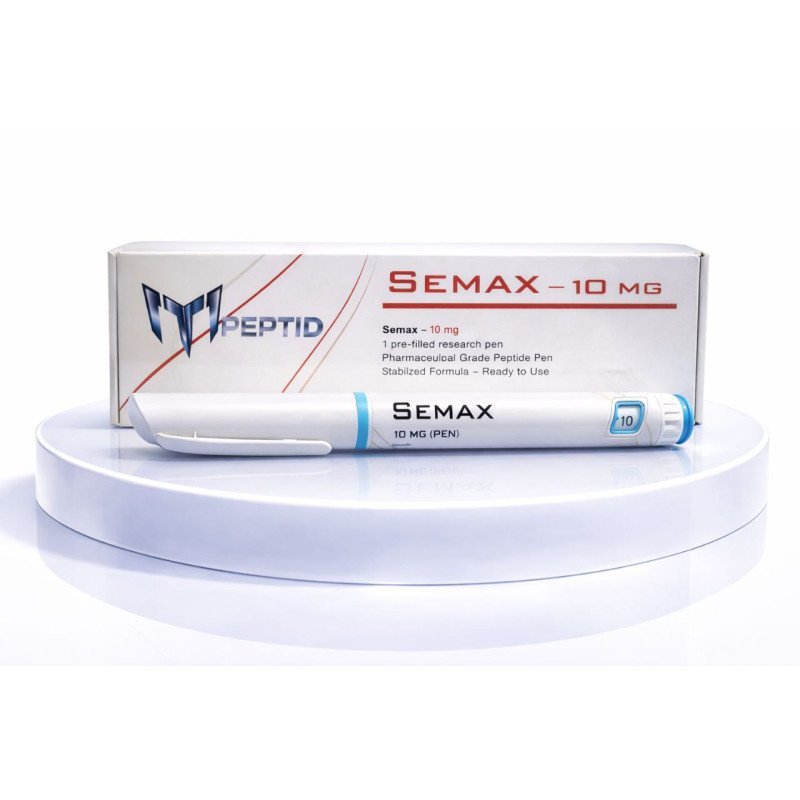
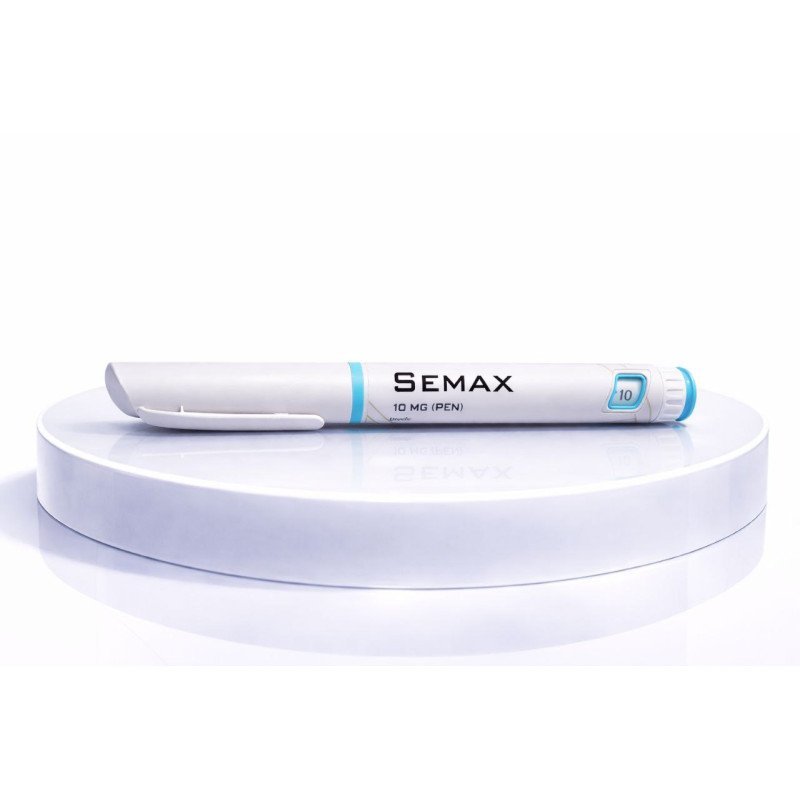


Semax is a fragment of a neuropeptide that serves to improve the brain's cognitive functions - the quality of sleep, increases attention, enhances intellectual capacity, focus and memory.
- 0%
- 0%
- 0%
- 0%
- 0%
Report this review.
This peptide is used in research because it can help the way the brain processes information and adapts to stress and workload, by influencing the chemical signals between nerve cells.
What it is
As a melanocortin-linked regulator of neurotrophic and inflammatory signaling cascades, the molecule modulates downstream cellular signaling via melanocortin receptors and associated transcriptional programs. It is a synthetic heptapeptide, a derivative of a fragment of ACTH (4–10), developed for intranasal application in research and clinical contexts. For a general overview: Wikipedia: Semax.
Mechanism of action
Experimental data describe effects on the expression of neurotrophins (incl. BDNF), modulation of oxidative stress and regulation of pro-inflammatory mediators, which functionally is associated with changes in synaptic plasticity and neuronal resilience. Because of the peptide nature, experimental design commonly includes control of proteolysis, matrix/carrier and time points for transcriptomic and proteomic readouts.
Clinical/preclinical data
Published English-language sources with readily verifiable numerical results are limited; a significant portion of clinical use is regionally specific and is not reflected in FDA/EMA regulatory databases. Below only data are included when quantitative parameters are available in peer-reviewed papers/reviews. Source for context and summaries: PubMed; regulatory framework: EMA.
| study name | population or experimental model | number of subjects or samples | duration | key observed outcomes |
|---|---|---|---|---|
| Publicly available English-language clinical data with numerical endpoints | — | — | — | Reliable, standardized numerical results are lacking in widely accessible sources; the available publications often do not allow extraction of N/time/effect without primary data. |
Context of scientific use
In the laboratory setting Semax is used for models of neuronal plasticity, inflammatory signaling and stress-response, including intranasal protocols in animal models and in vitro systems (neuronal cell lines/primary cultures). In the clinical setting it is described in regional practice, but for B2B supply it is mainly relevant as a reference peptide for analytical methods and mechanistic panels.
Pharmacokinetics (for experimental design)
As a short peptide, rapid enzymatic degradation and a strong dependence on the route of administration are expected; this necessitates planning early time points and the use of LC–MS/immunological markers as indirect readouts when direct quantitative determination is limited.
Purity and formula
Semax from MyPeptid provides conditions for reproducible testing, as it has a purity over 99% and is suitable for HPLC/LC–MS verification and between-batch comparison. The peptide sequence is: Met-Glu-His-Phe-Pro-Gly-Pro.
Formula: C37H51N9O10S
For sale only for educational and research purposes (research-only), not for clinical use.